In the accompanying newsletter article, VEI outlined updates to Ontario’s construction dewatering regulatory framework and what they mean for projects moving forward. Beyond regulatory mechanics, however, a larger and more strategic question is emerging locally: how groundwater is managed during construction in regions facing long-term water-supply constraints.
Water capacity has become a near-term growth issue in parts of Waterloo Region, particularly within the Mannheim Service Area. The Region has acknowledged uncertainty around available supply under revised planning assumptions, leading to increased caution in supporting new development until clearer long-term solutions are defined. This is a quantity issue, not a water-quality concern – but one with real implications for project approvals, sequencing, and infrastructure planning.
Addressing groundwater capacity is not a matter of a single fix. New municipal well development, treatment, and transmission infrastructure require years to plan and implement. Conservation remains important but alone cannot offset sustained growth pressures. As a result, attention is increasingly turning to whether additional tools can help manage impacts in the near term.
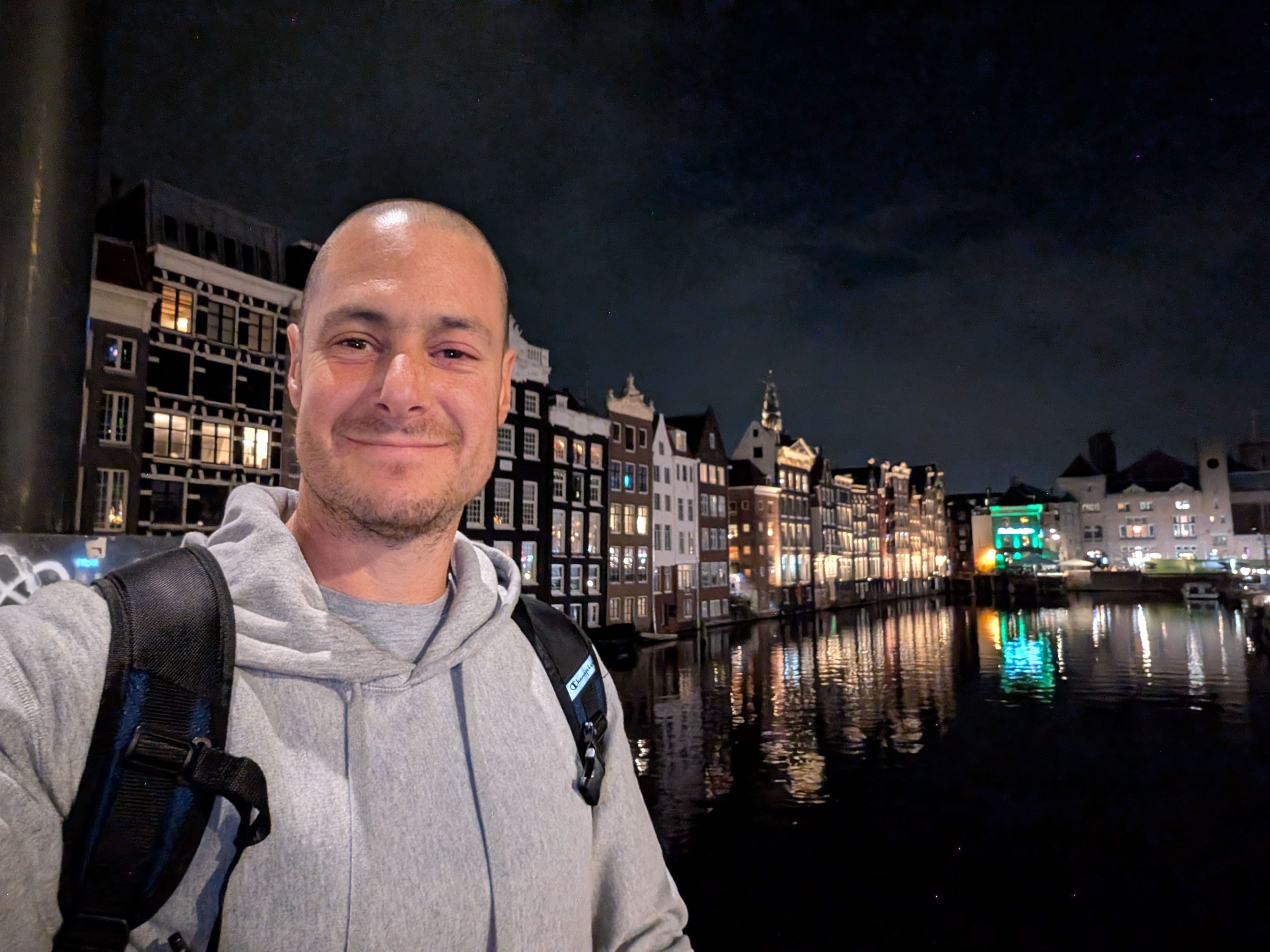
One such tool may be construction dewatering re-injection, an approach commonly used in the Netherlands and encountered firsthand by VEI’s Mark Kassel while attending a construction dewatering conference in Amsterdam late last year. In Dutch practice – often referred to as retourbemaling – groundwater pumped during construction is sometimes reintroduced to the subsurface rather than discharged off-site. The intent is to limit drawdown, reduce cumulative impacts, and preserve groundwater locally while still enabling safe excavation.
A key principle of the Dutch approach is hydrogeologic discipline. Re-injection systems are designed to avoid unintended mixing between aquifers and to maintain stable groundwater conditions. This practice is not about creating new water supply; it is about managing the effects of construction on an already-stressed resource.
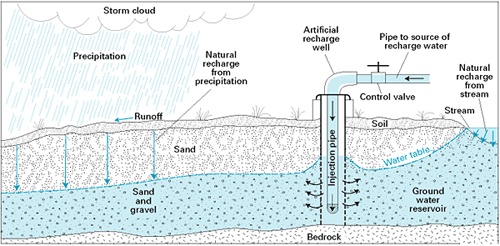
Waterloo Region already applies similar thinking at a municipal scale through its aquifer storage and recovery (ASR) concept, which involves injecting treated Grand River water into the Mannheim aquifer during periods of surplus and recovering it during higher-demand periods. While ASR is a long-term supply strategy, construction re-injection is a project-scale mitigation measure – different in purpose but aligned in philosophy.
A similar managed recharge concept also exists locally in the City of Guelph through the Arkell Springs Glen Collector System, where surface water is infiltrated to replenish groundwater as part of the municipal water supply system. While fundamentally different in scale and purpose from construction-phase dewatering re-injection, systems like Arkell Springs demonstrate that intentional groundwater replenishment – when properly designed, governed, and monitored – is already an accepted part of water resource management in southwestern Ontario.
It is important to be clear about scope. Construction dewatering re-injection is not a substitute for municipal water-supply planning or aquifer expansion. Rather, it is a construction-phase stewardship and mitigation tool that, where hydrogeologic and regulatory conditions allow, can reduce net groundwater depletion and cumulative drawdown effects during periods of intensive development.
Implementing such an approach requires more than pumps and wells. It demands sound hydrogeologic design, monitoring, injectivity management, and a clear regulatory pathway for both extraction and re-injection. VEI operates at this intersection – delivering groundwater control systems and working with proponents, consultants, and regulators to support technically defensible and approvable solutions led by qualified professionals.
Equally important, any construction dewatering re-injection program must be governed by appropriate regulatory oversight and led by qualified professionals. Returning water to the subsurface is not simply a hydraulic exercise; it carries inherent risks if water quality, geochemistry, or hydrogeologic conditions are not properly understood. In Ontario, this means clear Qualified Person (QP) accountability, robust monitoring, and – where applicable – Environmental Compliance Approval (ECA) governance to ensure that only suitable water is reintroduced and that aquifers are protected. This is not an activity for unvetted or ad hoc implementation, but one that must be designed, reviewed, and executed within a defensible regulatory framework.
As Waterloo Region and other municipalities dependent on potable groundwater supplies continue to refine their long-term water strategies, the most resilient path forward may involve a portfolio of measures: infrastructure investment, improved planning data, demand management – and, where appropriate, construction-phase tools that treat groundwater as a managed asset under qualified professional oversight and appropriate regulatory control – rather than a disposable by-product. The Dutch experience serves as a useful reminder that dewatering does not always need to be a one-way transaction.