You are now reading our 100th newsletter!
What started as a small quarterly update back in 2013 has grown into one of the longest-running, most widely read technical newsletters in Canada’s environmental remediation community. Over the years we’ve covered dozens of case studies, a wide range of technologies, industry trends, regulatory shifts, and behind-the-scenes stories from the field.
To mark this milestone, we’re taking a brief look back at Newsletter #1, followed by a high-level reflection on the themes our newsletters have explored over the years – and a look at where we might be headed next.
Where it all started…
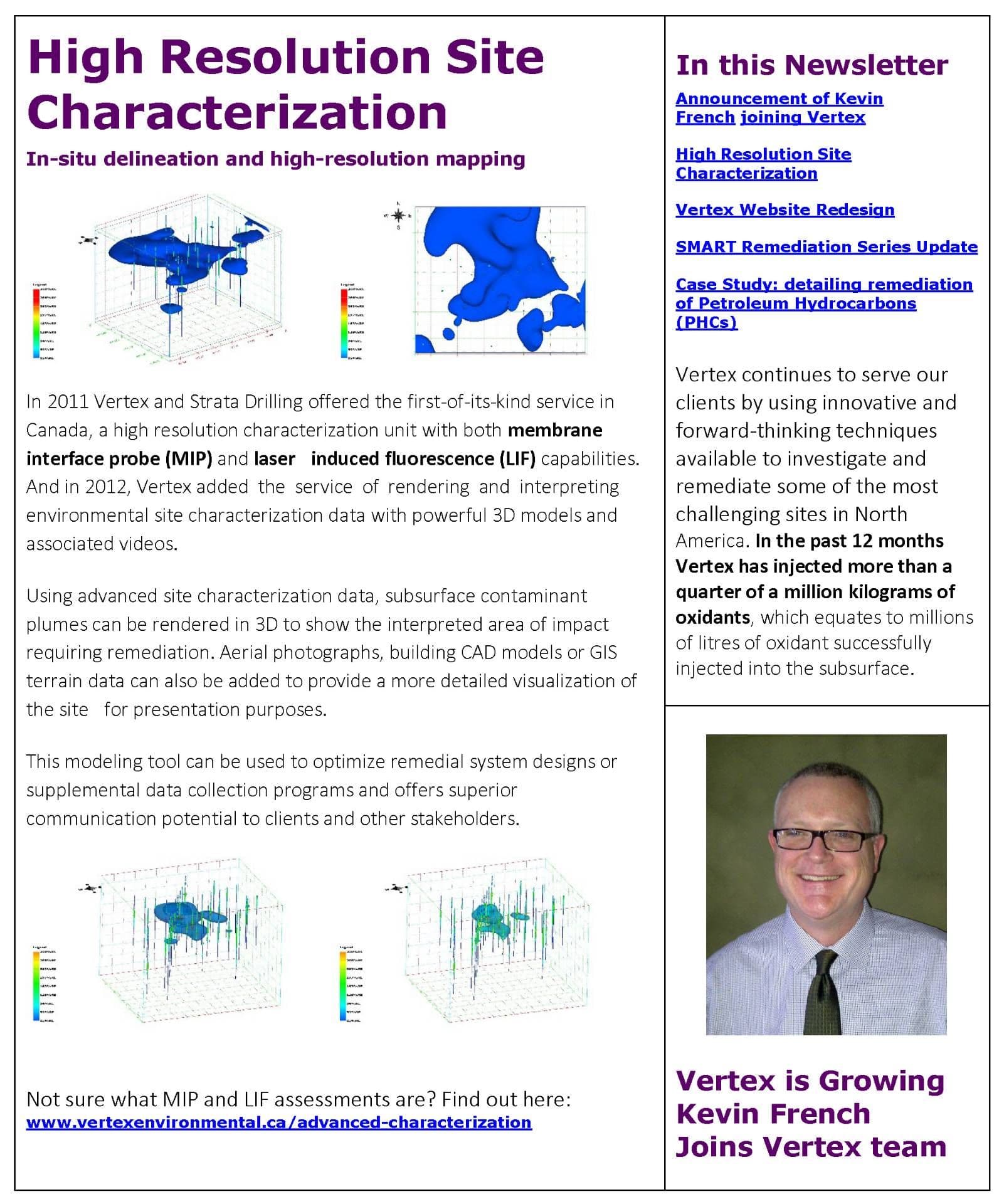
Our very first newsletter was a small but mighty issue that set the tone for everything to come. It included:
- The announcement of Kevin French joining the firm as Vice President bringing additional technical depth, project leadership, and industry experience.
- An introduction to High Resolution Site Characterization (HRSC) – the first time many readers had ever encountered the membrane interface probe (MIP) and laser-induced fluorescence (LIF) in a Canadian context.
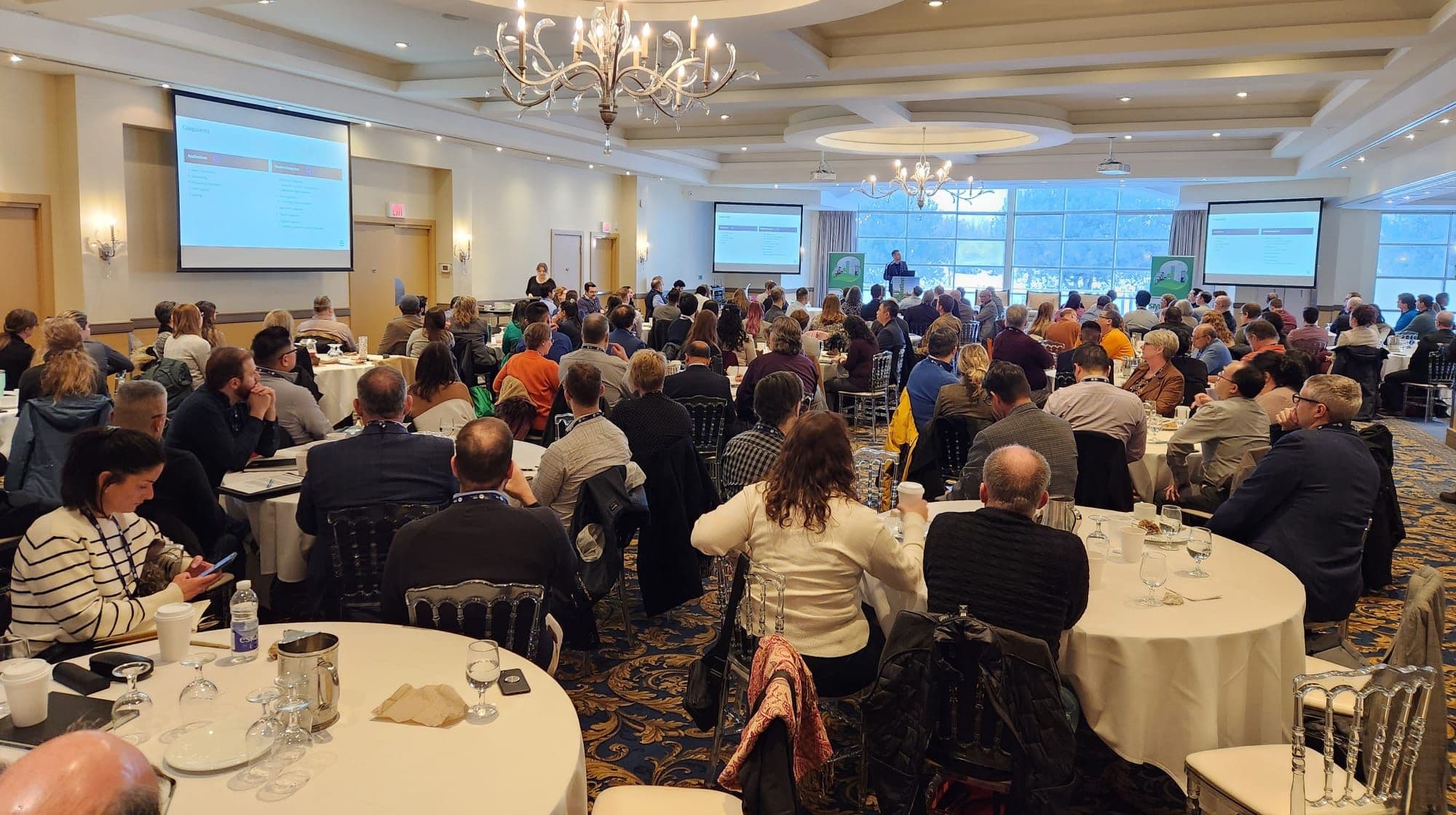
- Updates on the young but growing SMART Remediation technical speaker series, which had already expanded to multiple Canadian cities and continued to serve as a platform for sharing new ideas and approaches.
- A detailed case study describing a large-scale injection program addressing petroleum hydrocarbons (PHCs) via in-situ chemical oxidation ISCO and enhanced bioremediation using RegenOx® and ORC-A® on a large PHC release site in Northern Ontario.
- A proud reveal of our “newly redesigned” website highlighting our services, case studies, and technical resources.
Newsletter #1 captured a moment in time where we were growing, introducing new tools, expanding public outreach, and tackling large-scale, in-situ remediation projects. The themes were innovation, clarity, and hands-on technical leadership.
1. High Resolution Site Characterization (HRSC): From Novel to Normal
In 2013, HRSC was a cutting-edge service used on a handful of sites. Today, it is an industry-standard expectation for how modern, defensible remediation decisions get made.
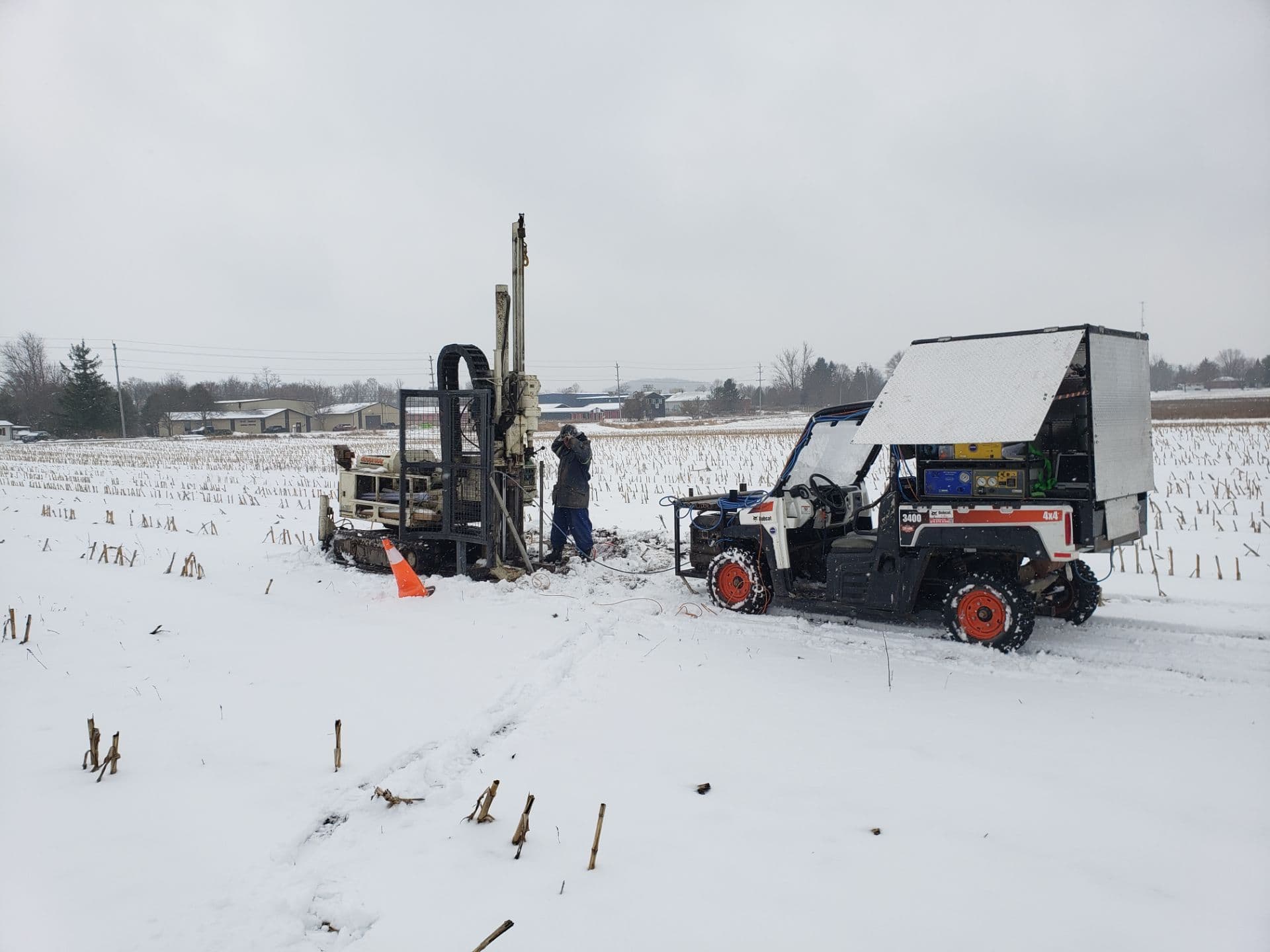
Over the last 100 newsletters, we have documented:
- New HRSC tools, new drilling techniques, and new data visualization platforms.
- Many case studies showing how HRSC has reduced uncertainty, accelerated cleanup, and lowered total project costs.
- The transition from 2D and 3D modelling to 4D (time-based) data interpretation.
What started as “introducing MIP and LIF to Canada” has grown into a decade-long leadership role in high-resolution characterization, modelling, injection design, and interpretation.
Since those nascent days we have driven out HRSC probes a total of over 70 kms worth of depth and collected literally millions of data points describing subsurface contaminant, geological and hydrogeological site data.
2. SMART Remediation: From Four Events to a National Institution
In Newsletter #1, SMART Remediation was only in it’s third year and had held a total of 9 live events. Today, SMART has:
- Run 45 events coast to coast in most major Canadian cities and virtually.
- Hosted over 300 technical talks and speakers from across North America.
- Added Demo Corners and panel discussions.
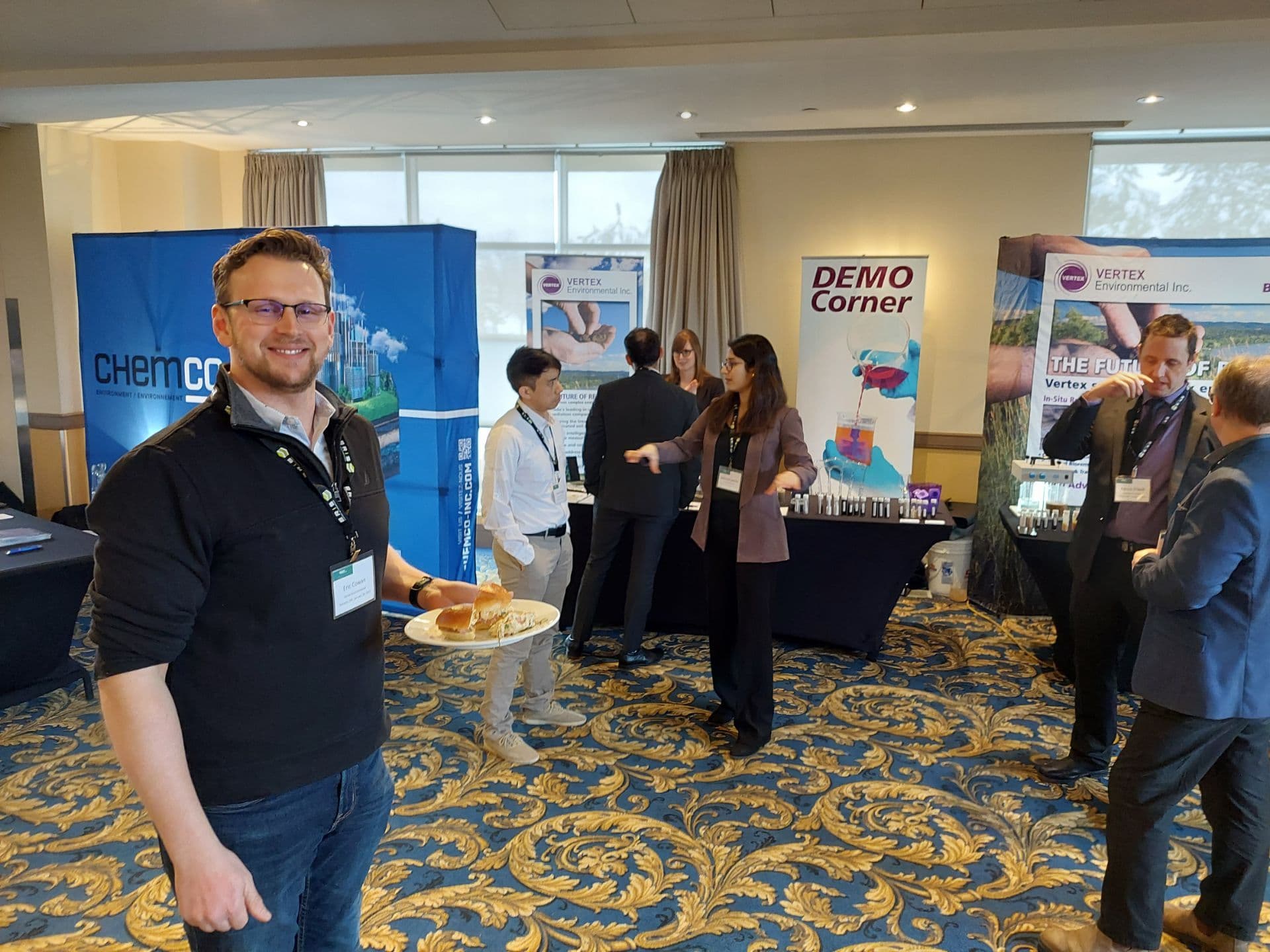
- Become a key annual gathering point for consultants, regulators, owners, and service providers.
- Built one of the strongest peer-to-peer knowledge-sharing communities in the Canadian environmental industry.
SMART started as a modest idea: “Let’s bring people together to talk about emerging remediation technology.” It has grown into a national platform shaping how the industry learns, collaborates, and innovates.
3. ISCO and In-Situ Treatment: Then and Now
When Newsletter #1 was released, our ISCO case study highlighted the injection of more than 200,000 kg of oxidant at a northern PHC-impacted site. That was one of the largest in-situ injection programs ever completed in Canada at the time.
Since then, we have documented:
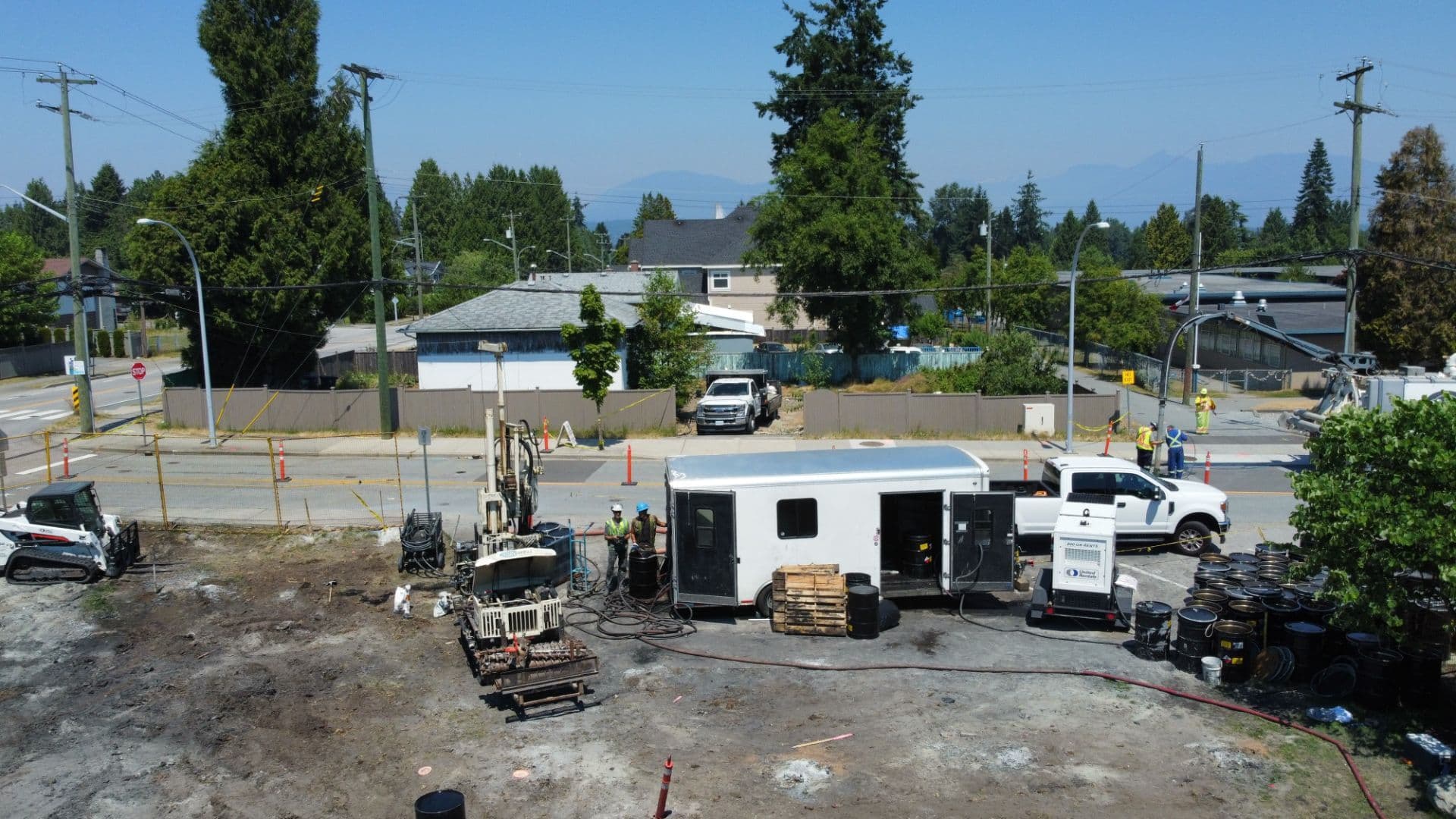
- The shift from “inject and hope” to precisely modelled, data-supported injection design.
- Multi-technology treatments blending or sequencing ISCO, ISCR, enhanced bioremediation, ZVI, sorbents, and bio-catalytic amendments.
- Barrier technologies for CVOCs, PHCs, PFAS and other contaminants that didn’t exist in 2013.
- A massive reduction in uncertainty thanks to HRSC, ESM, advanced geochemistry interpretation, and field telemetry.
Where ISCO once dominated as the go-to in-situ remediation technique, our newsletters capture the expansion of the entire remediation toolbox – and how VEI helped bring those innovations into common practice in Canada.
Over the ensuing 100 issues, the newsletters have served as a running record of how both our company and the remediation industry in Canada have progressed – embracing better data, more refined approaches, and increasing sophistication in the design and execution of remediation programs. We’ve continued to emphasize transparency, education, and practical solutions.
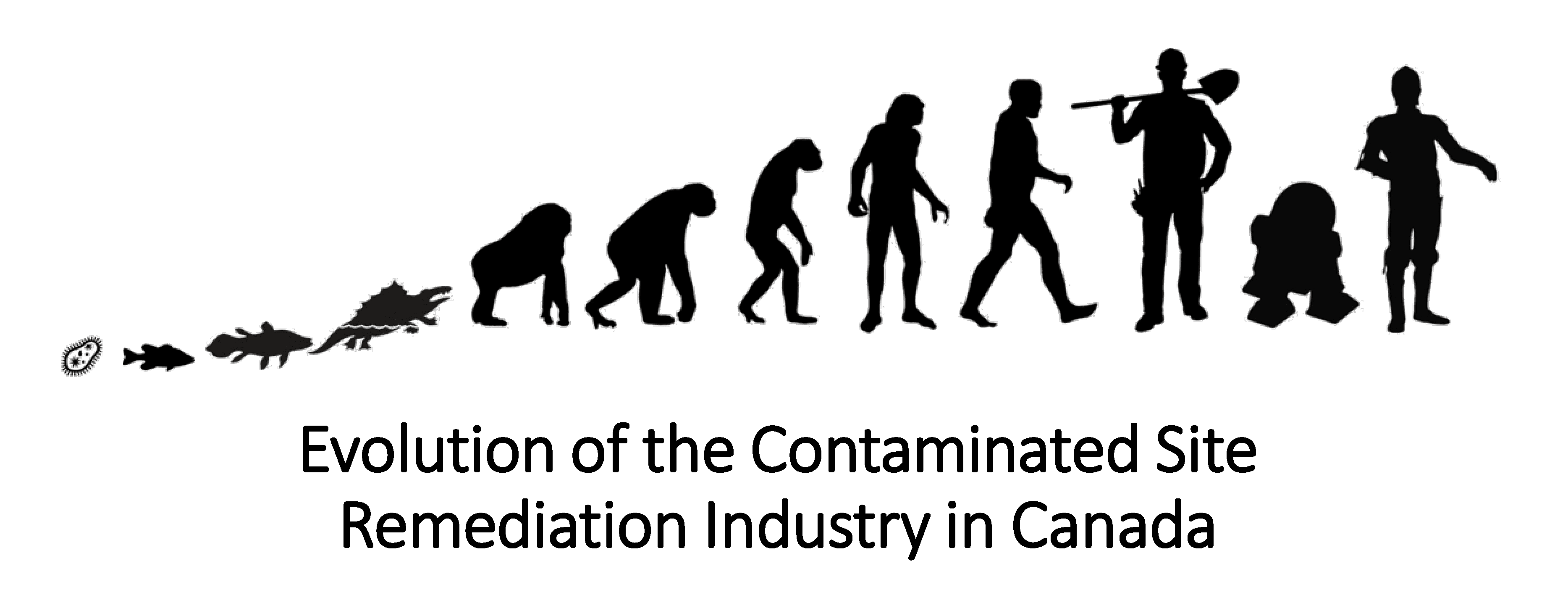
The first 100 newsletters documented the rise of data-driven, technology-enabled remediation via articles on new developments in site characterization and in-situ treatment, lessons learned from complex sites, evolving industry needs and regulatory expectations, etc. The next 100 will continue that trend, but also likely focus on:
- Integration of Artificial Intelligence and Predictive Modelling: AI-supported site modelling, injection optimization, and risk forecasting are no longer theoretical. They’re here – and we’re leaning into them.
- PRBs and Treatment Barriers as Core Infrastructure: Long-life barriers, adaptive amendments, and engineered multi-zone systems will become more common, especially in brownfield redevelopment.

- Continued National Expansion: With new teams in Atlantic Canada and BC, and growing collaboration nationally, the next decade will see deeper regional presence and more complex project portfolios.
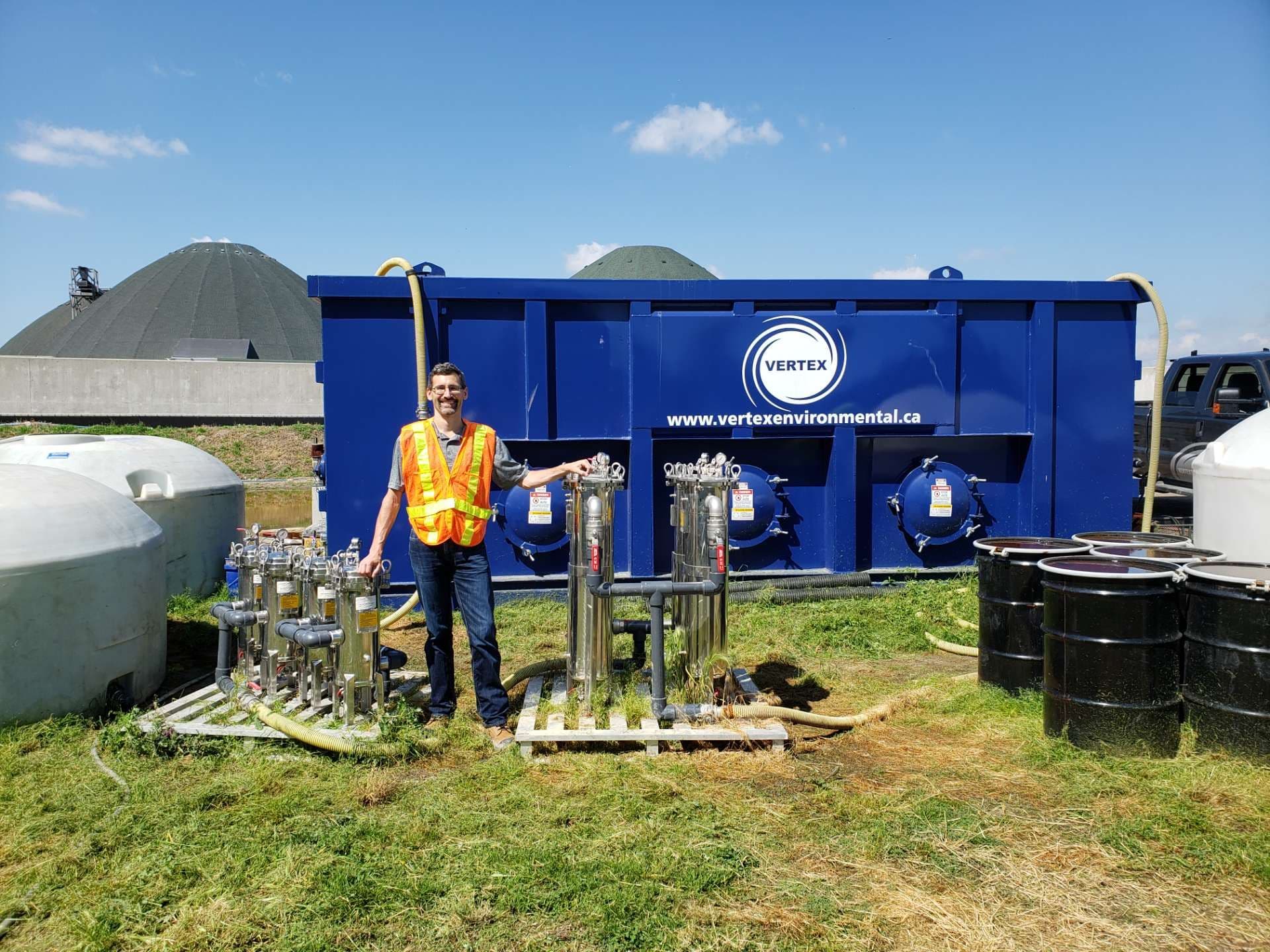
- Construction Dewatering and Water Treatment System Investment: Enhancing our dewatering and water treatment services to better support contractors, developers, and municipal partners during construction and remediation work.
- The Next Generation of Remediation Professionals: Training, mentoring, knowledge transfer, and community leadership will matter more than ever. SMART Remediation, our newsletters, our webinars, and our case studies will continue to play a central role.
Whether you’ve been reading since 2013 or joined us more recently, thank you for being part of this ongoing conversation. Our goal has always been to support better remediation outcomes through communication, transparency, and technical leadership.
We look forward to the next hundred newsletters - and to continuing this journey together!